
Description
Shadow Health:Complex Assessment: End Stage Heart Failure Vandana Kumar
Assignment Description: This assignment provides the opportunity to conduct a focused assessment with a patient in an emergency department setting. You will interview and examine the patient, document your findings, select a suspected problem, and complete a provider SBAR. On average, this assignment should take 60 minutes to complete. This assignment may contain synthesized voices.
-
Estimated Time to Complete: 60 minutes
-
Patient Exam In this assignment, you will conduct a focused assessment on a patient in an emergency department setting. You will interview and examine the patient, document your findings, formulate a diagnosis, and deliver an SBAR. On average, this assignment should take 60 minutes to complete.
Solution: Shadow Health:Complex Assessment: End Stage Heart Failure Vandana Kumar
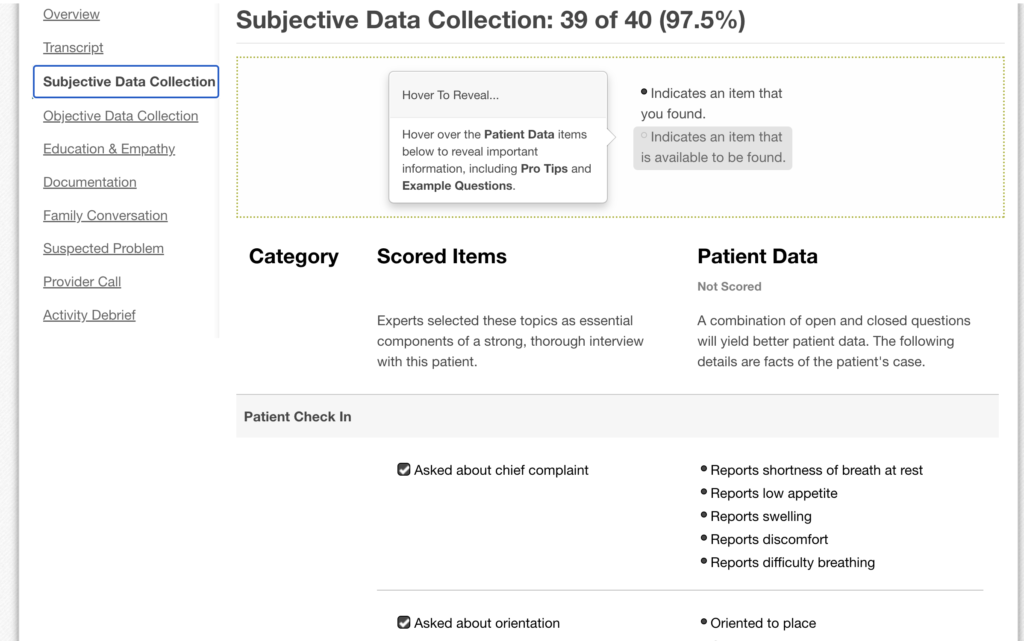
Category
Scored Items
Experts selected these topics as essential components of a strong, thorough interview with this patient.
Patient Data
Not Scored
A combination of open and closed questions will yield better patient data. The following details are facts of the patient’s case.
Patient Check In
Finding:
Asked about chief complaint
Finding:
Reports shortness of breath at rest
(Found)
Pro Tip: By asking a patient an open question about their reason for coming into the hospital, you can establish their current medical and comfort needs and assist in coordinating their care.Example Question:
What brings you in to the hospital?
Finding:
Reports low appetite
(Found)
Pro Tip: By asking a patient an open question about their reason for coming into the hospital, you can establish their current medical and comfort needs and assist in coordinating their care.Example Question:
What brings you in to the hospital?
Finding:
Reports swelling
(Found)
Pro Tip: By asking a patient an open question about their reason for coming into the hospital, you can establish their current medical and comfort needs and assist in coordinating their care.Example Question:
What brings you in to the hospital?
Finding:
Reports discomfort
(Found)
Pro Tip: By asking a patient an open question about their reason for coming into the hospital, you can establish their current medical and comfort needs and assist in coordinating their care.Example Question:
What brings you in to the hospital?
Finding:
Reports difficulty breathing
(Found)
Pro Tip: By asking a patient an open question about their reason for coming into the hospital, you can establish their current medical and comfort needs and assist in coordinating their care.Example Question:
What brings you in to the hospital?
Finding:
Asked about orientation
Finding:
Oriented to place
(Found)
Pro Tip: Asking a patient to orient themselves in time and space will help you assess their current condition and determine if any immediate interventions would be required.Example Question:
Do you know where you are?
Finding:
Oriented to time
(Available)
Pro Tip: Asking a patient to orient themselves in time and space will help you assess their current condition and determine if any immediate interventions would be required.Example Question:
Do you know what time it is?
Finding:
Oriented to person
(Available)
Pro Tip: Asking a patient to orient themselves in time and space will help you assess their current condition and determine if any immediate interventions would be required.Example Question:
Can you tell me your name?
Finding:
Oriented to situation
(Found)
Pro Tip: Asking a patient to orient themselves in time and space will help you assess their current condition and determine if any immediate interventions would be required.Example Question:
Do you know why you are here?
Finding:
Asked about pain level
Finding:
Denies pain
(Found)
Pro Tip: Asking a patient about their comfort level and current needs ensures a patient’s right to have their basic physical and comfort needs met.Example Question:
Are you in any pain?
Finding:
Asked about cultural or spiritual needs
Finding:
Reports wanting a female care provider present
(Found)
Pro Tip: Asking a patient about their comfort level and current needs ensures a patient’s right to have their basic physical and comfort needs met.Example Question:
Do you have any spiritual needs I can assist with?
Finding:
Asked about preferences for hospice care
Finding:
Reports wanting to be in hospice care
(Available)
Pro Tip: Asking a patient about their comfort level and current needs ensures a patient’s right to have their basic physical and comfort needs met.Example Question:
Should you be near death would you rather die in hospice care?
Finding:
Followed up on hospice preferences
Finding:
Reports wanting hospice care at home
(Found)
Pro Tip: Asking a patient about their comfort level and current needs ensures a patient’s right to have their basic physical and comfort needs met.Example Question:
Do you have any preferences for your hospice care?
Finding:
Denies wanting medication that compromises mental acuity
(Found)
Pro Tip: Asking a patient about their comfort level and current needs ensures a patient’s right to have their basic physical and comfort needs met.Example Question:
Do you have any preferences for your hospice care?
History of Present Illness
Finding:
Asked about onset of symptoms
Finding:
Reports exacerbation began 2 weeks ago
(Found)
Pro Tip: If a patient reveals a medical condition or symptoms, asking a wide variety of follow-up questions can help providers better understand the nature of the disorder, especially through questions about timing, severity, and types of symptoms.Example Question:
When did your symptoms begin?
Finding:
Asked about aggravating factors
Finding:
Reports exertion aggravates shortness of breath
(Found)
Pro Tip: If a patient reveals a medical condition or symptoms, asking a wide variety of follow-up questions can help providers better understand the nature of the disorder, especially through questions about timing, severity, and types of symptoms.Example Question:
Does anything aggravate your symptoms?
Finding:
Reports eating aggravates shortness of breath
(Found)
Pro Tip: If a patient reveals a medical condition or symptoms, asking a wide variety of follow-up questions can help providers better understand the nature of the disorder, especially through questions about timing, severity, and types of symptoms.Example Question:
Does anything aggravate your symptoms?
Finding:
Asked about relieving factors
Finding:
Reports rest slightly relieves condition
(Found)
Pro Tip: If a patient reveals a medical condition or symptoms, asking a wide variety of follow-up questions can help providers better understand the nature of the disorder, especially through questions about timing, severity, and types of symptoms.Example Question:
Does resting relieve your symptoms?
Finding:
Asked about treatment
Finding:
Reports resting constantly
(Found)
Pro Tip: If a patient reveals a medical condition or symptoms, asking a wide variety of follow-up questions can help providers better understand the nature of the disorder, especially through questions about timing, severity, and types of symptoms.Example Question:
What treatment have you tried?
Finding:
Reports medication for chronic conditions
(Found)
Pro Tip: If a patient reveals a medical condition or symptoms, asking a wide variety of follow-up questions can help providers better understand the nature of the disorder, especially through questions about timing, severity, and types of symptoms.Example Question:
What treatment have you tried?
Finding:
Asked about timing of symptoms
Finding:
Reports symptoms are constant
(Found)
Pro Tip: If a patient reveals a medical condition or symptoms, asking a wide variety of follow-up questions can help providers better understand the nature of the disorder, especially through questions about timing, severity, and types of symptoms.Example Question:
When do your symptoms occur?
Finding:
Followed up on treatment
Finding:
Denies that medication for chronic conditions treats current symptoms
(Found)
Pro Tip: If a patient reveals a medical condition or symptoms, asking a wide variety of follow-up questions can help providers better understand the nature of the disorder, especially through questions about timing, severity, and types of symptoms.Example Question:
Has your treatment been effective?
Finding:
Reports feeling tired after sleeping
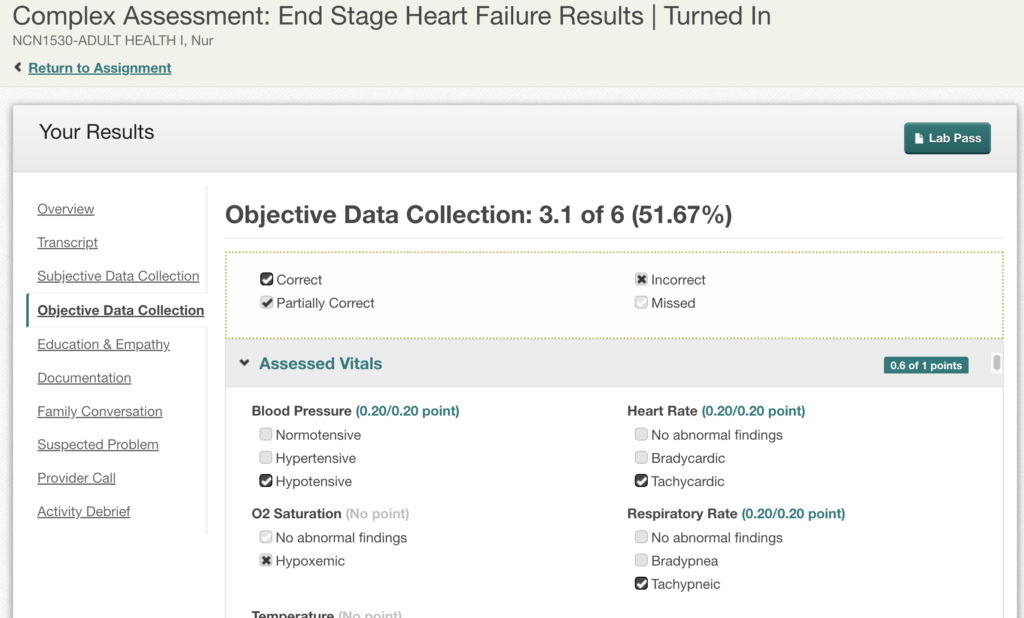
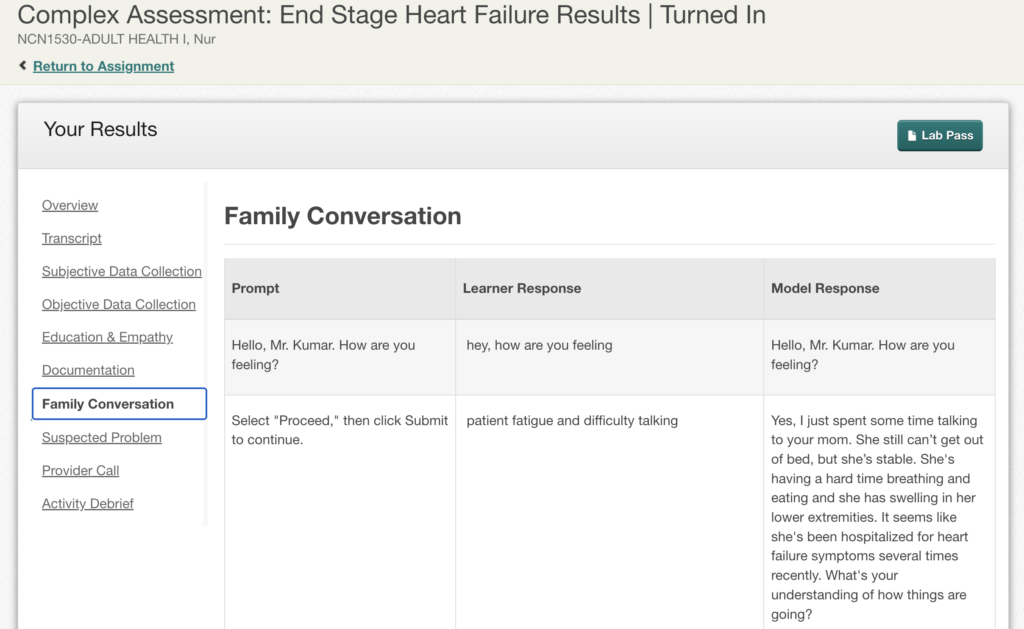
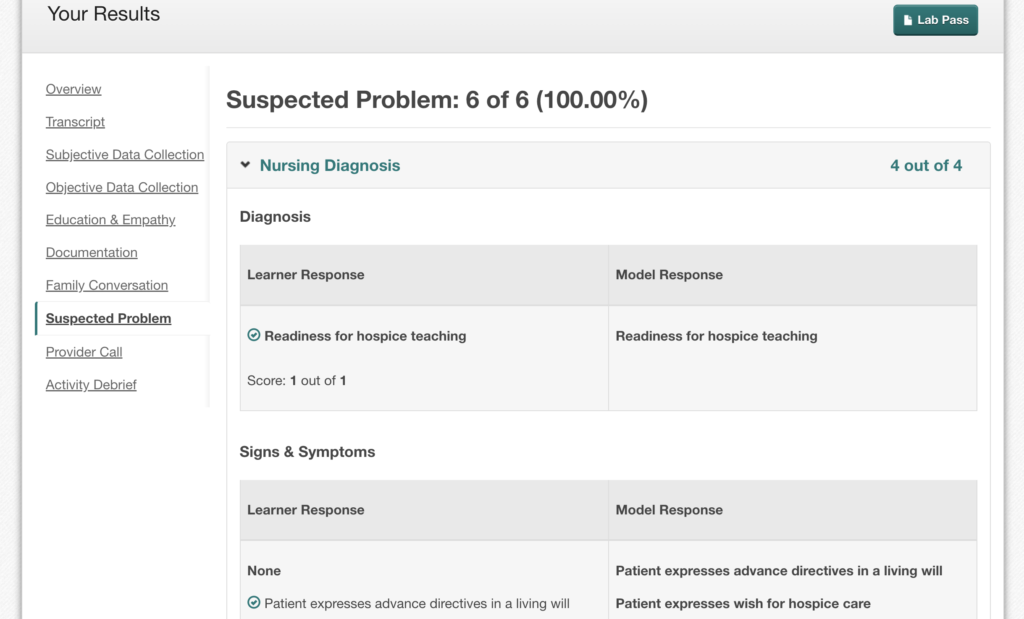
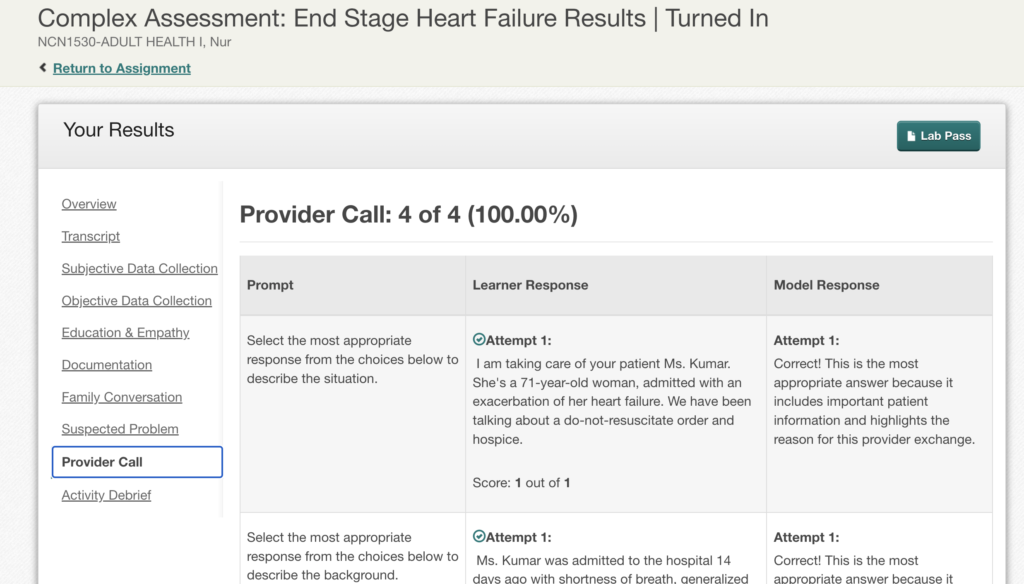
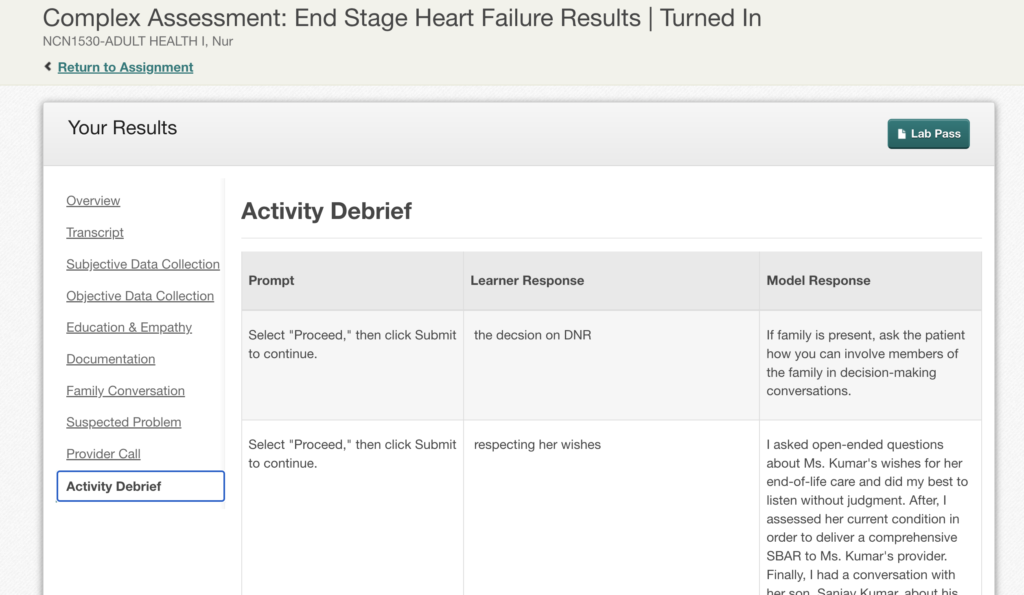
Add to cart to get subjective data, objective data, provider call, family conversation, suspected problem, and actvity debrief
Related:(Completed) Shadow Health: Complex Assessment: Arrhythmia Martin Francis

Reviews
There are no reviews yet.