
Description
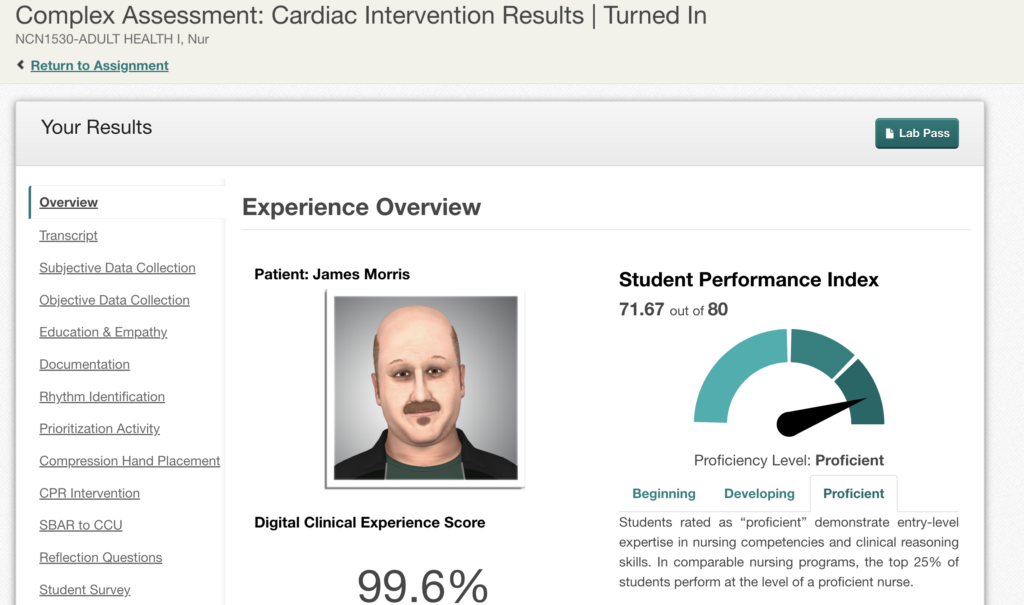
Shadow Health: Complex Assessment: Cardiac Intervention James Morris
Assignment Description: This assignment provides the opportunity to conduct a focused assessment with a patient on the telemetry floor. You will interview and examine the patient, document your findings, select a suspected problem, and complete a provider SBAR. On average, this assignment should take 60 minutes to complete. This assignment may contain synthesized voices.
-
Estimated Time to Complete: 60 minutes
-
Patient Exam This assignment provides the opportunity to conduct a focused assessment with a patient in a telemetry floor setting. You will interview and examine the patient, document your findings, select the appropriate intervention, and complete a provider SBAR. On average, this assignment should take 60 minutes to complete.
Solution:Shadow Health: Complex Assessment: Cardiac Intervention James Morris
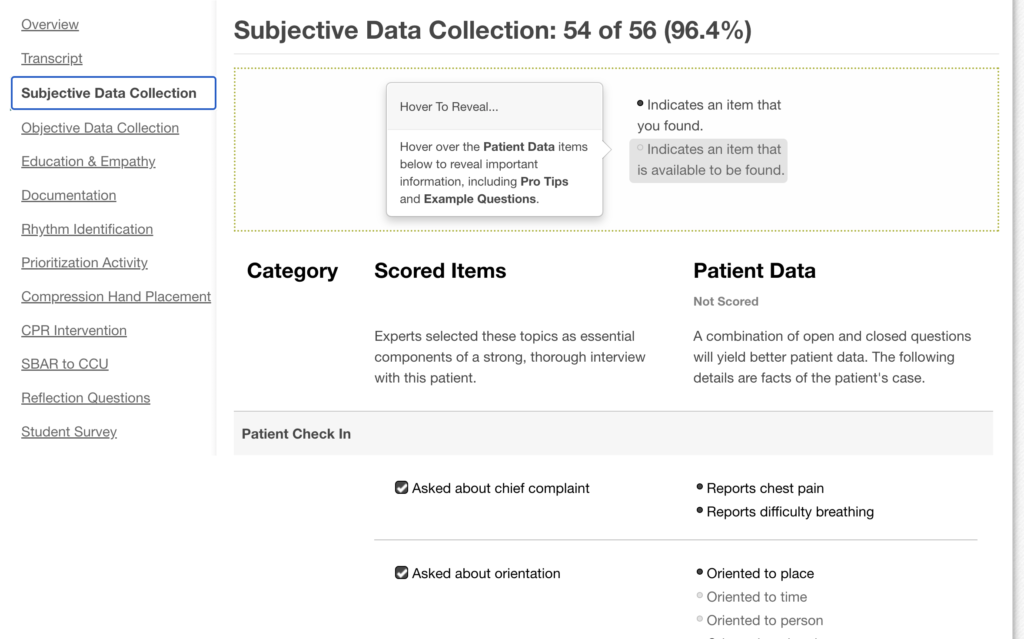
Category
Scored Items
Experts selected these topics as essential components of a strong, thorough interview with this patient.
Patient Data
Not Scored
A combination of open and closed questions will yield better patient data. The following details are facts of the patient’s case.
Patient Check In
Finding:
Asked about chief complaint
Finding:
Reports chest pain
(Found)
Pro Tip: Check in with your patient on their current status and any needs they may have. Asking questions about how the patient is doing will allow them to communicate their status in their own words.Example Question:
What brings you in to the hospital?
Finding:
Reports difficulty breathing
(Found)
Pro Tip: Check in with your patient on their current status and any needs they may have. Asking questions about how the patient is doing will allow them to communicate their status in their own words.Example Question:
What brings you in to the hospital?
Finding:
Asked about orientation
Finding:
Oriented to place
(Found)
Pro Tip: Check in with your patient on their current status and any needs they may have. Asking questions about how the patient is doing will allow them to communicate their status in their own words.Example Question:
Do you know where you are?
Finding:
Oriented to time
(Available)
Pro Tip: Check in with your patient on their current status and any needs they may have. Asking questions about how the patient is doing will allow them to communicate their status in their own words.Example Question:
Do you know what time it is?
Finding:
Oriented to person
(Available)
Pro Tip: Check in with your patient on their current status and any needs they may have. Asking questions about how the patient is doing will allow them to communicate their status in their own words.Example Question:
Can you tell me your name?
Finding:
Oriented to situation
(Found)
Pro Tip: Check in with your patient on their current status and any needs they may have. Asking questions about how the patient is doing will allow them to communicate their status in their own words.Example Question:
Do you know why you are here?
Finding:
Asked about pain level
Finding:
Reports pain was a seven out of ten before taking nitroglycerin
(Available)
Pro Tip: Check in with your patient on their current status and any needs they may have. Asking questions about how the patient is doing will allow them to communicate their status in their own words.Example Question:
What was your pain level before taking nitroglycerin?
Finding:
Reports current pain is a four or five out of ten
(Found)
Pro Tip: Check in with your patient on their current status and any needs they may have. Asking questions about how the patient is doing will allow them to communicate their status in their own words.Example Question:
Are you in any pain?
Finding:
Asked about cultural or spiritual needs
Finding:
Denies cultural or spiritual needs
(Found)
Pro Tip: Check in with your patient on their current status and any needs they may have. Asking questions about how the patient is doing will allow them to communicate their status in their own words.Example Question:
Do you have any spiritual needs I can assist with?
History of Present Illness
Finding:
Asked about onset of symptoms
Finding:
Reports symptoms returned in the last few minutes
(Found)
Pro Tip: If a patient reveals a medical condition or symptoms, asking a wide variety of follow-up questions can help providers better understand the nature of the disorder, especially through questions about timing, severity, and types of symptoms.Example Question:
When did your symptoms worsen?
Finding:
Reports similar episodes in the past week
(Available)
Pro Tip: If a patient reveals a medical condition or symptoms, asking a wide variety of follow-up questions can help providers better understand the nature of the disorder, especially through questions about timing, severity, and types of symptoms.Example Question:
Have you experienced symptoms like this before?
Finding:
Asked about location
Finding:
Reports pain is located in the middle of the chest
(Found)
Pro Tip: If a patient reveals a medical condition or symptoms, asking a wide variety of follow-up questions can help providers better understand the nature of the disorder, especially through questions about timing, severity, and types of symptoms.Example Question:
Where is your pain located?
Finding:
Reports pain is located in the left arm
(Found)
Pro Tip: If a patient reveals a medical condition or symptoms, asking a wide variety of follow-up questions can help providers better understand the nature of the disorder, especially through questions about timing, severity, and types of symptoms.Example Question:
Where is your pain located?
Finding:
Asked about duration
Finding:
Reports similar episodes came and went
(Found)
Pro Tip: If a patient reveals a medical condition or symptoms, asking a wide variety of follow-up questions can help providers better understand the nature of the disorder, especially through questions about timing, severity, and types of symptoms.Example Question:
How long did your other episodes last?
Finding:
Reports symptoms have been constant
(Found)
Pro Tip: If a patient reveals a medical condition or symptoms, asking a wide variety of follow-up questions can help providers better understand the nature of the disorder, especially through questions about timing, severity, and types of symptoms.Example Question:
How long have you had these symptoms?
Finding:
Asked about characteristics
Finding:
Reports pain is radiating
(Found)
Pro Tip: If a patient reveals a medical condition or symptoms, asking a wide variety of follow-up questions can help providers better understand the nature of the disorder, especially through questions about timing, severity, and types of symptoms.Example Question:
Does the pain radiate?
Finding:
Asked about aggravating factors
Finding:
Reports any activity makes the pain worse
(Found)
Pro Tip: If a patient reveals a medical condition or symptoms, asking a wide variety of follow-up questions can help providers better understand the nature of the disorder, especially through questions about timing, severity, and types of symptoms.Example Question:
Does anything aggravate your symptoms?
Finding:
Asked about relieving factors
Finding:
Reports resting did not help
(Found)
Pro Tip: If a patient reveals a medical condition or symptoms, asking a wide variety of follow-up questions can help providers better understand the nature of the disorder, especially through questions about timing, severity, and types of symptoms.Example Question:
Does resting relieve your symptoms?
Finding:
Asked about treatment
Finding:
Reports taking sublingual nitroglycerin at home for chest pain
(Found)
Pro Tip: If a patient reveals a medical condition or symptoms, asking a wide variety of follow-up questions can help providers better understand the nature of the disorder, especially through questions about timing, severity, and types of symptoms.Example Question:
Did you take any sublingual nitroglycerin?
Finding:
Reports sublingual nitroglycerin was prescribed by a doctor
(Available)
Pro Tip: If a patient reveals a medical condition or symptoms, asking a wide variety of follow-up questions can help providers better understand the nature of the disorder, especially through questions about timing, severity, and types of symptoms.Example Question:
Who prescribed the sublingual nitroglycerin?
Finding:
Reports taking sublingual nitroglycerin at home to treat similar episodes
(Available)
Pro Tip: If a patient reveals a medical condition or symptoms, asking a wide variety of follow-up questions can help providers better understand the nature of the disorder, especially through questions about timing, severity, and types of symptoms.Example Question:
Have you taken the sublingual nitroglycerin before?
Finding:
Reports pain was treated with sublingual nitroglycerin in the ED
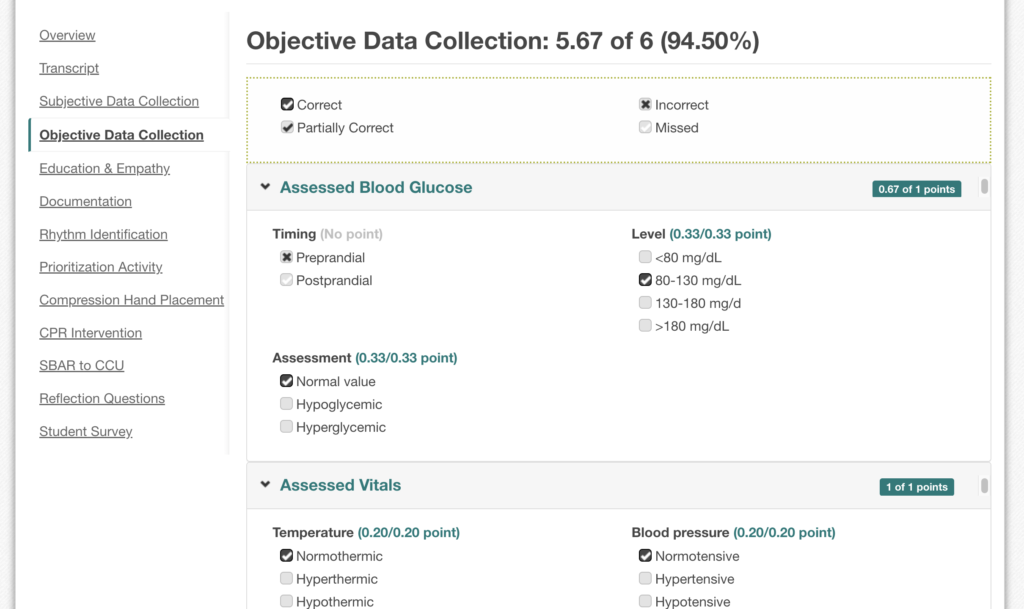
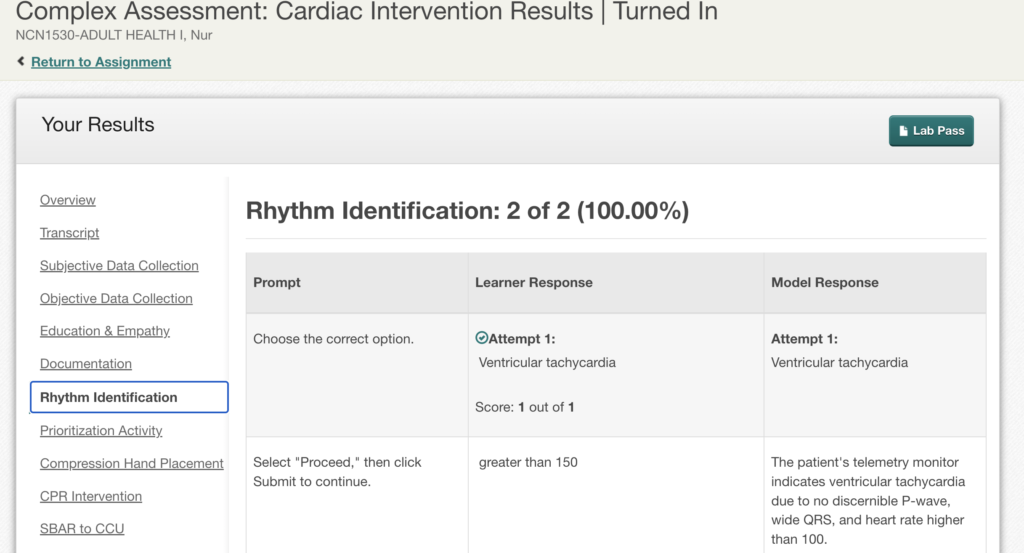
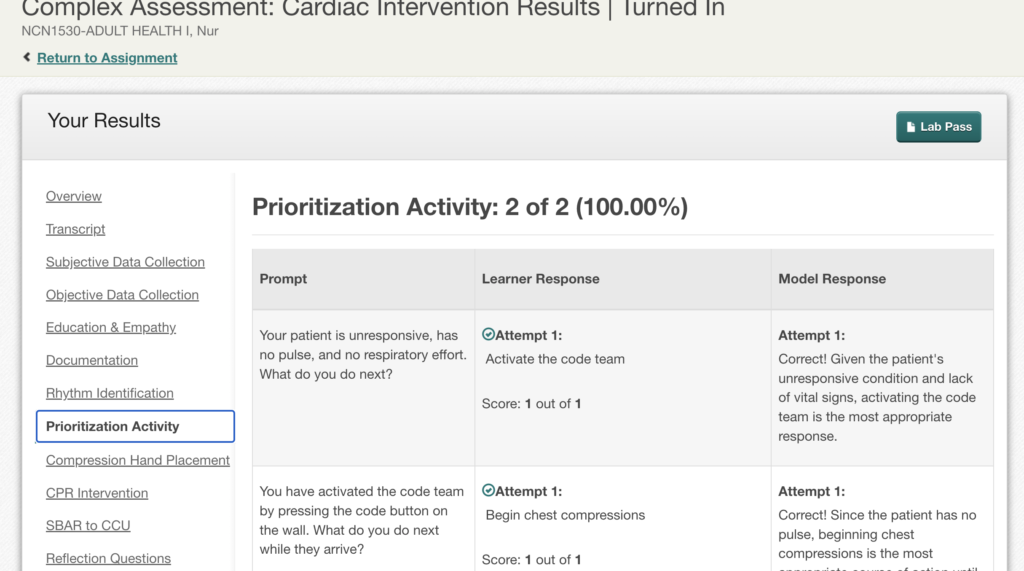
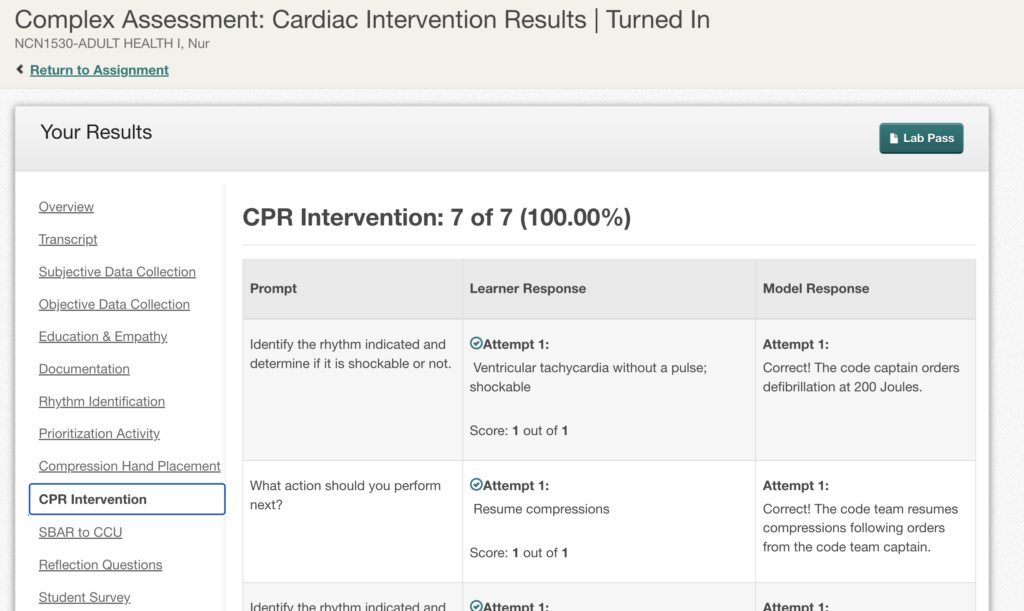
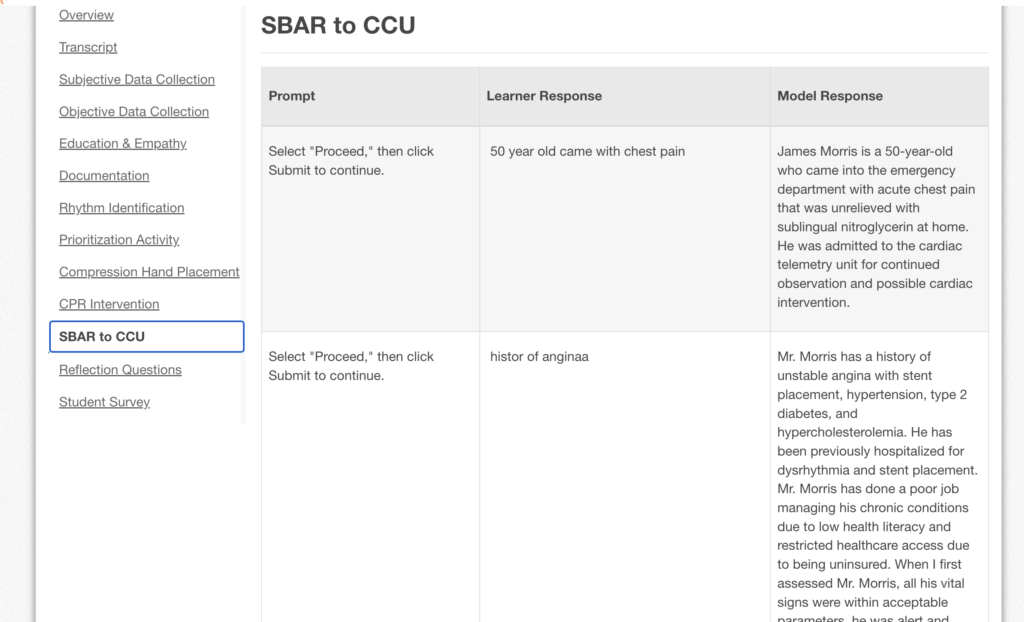
Add to cart to get subjective data, objective data, rhymth, prioritization, compression, cpr, and sbar
Related: (Completed) Shadow Health: NCN1530-ADULT HEALTH I, Nur

Reviews
There are no reviews yet.