
Description
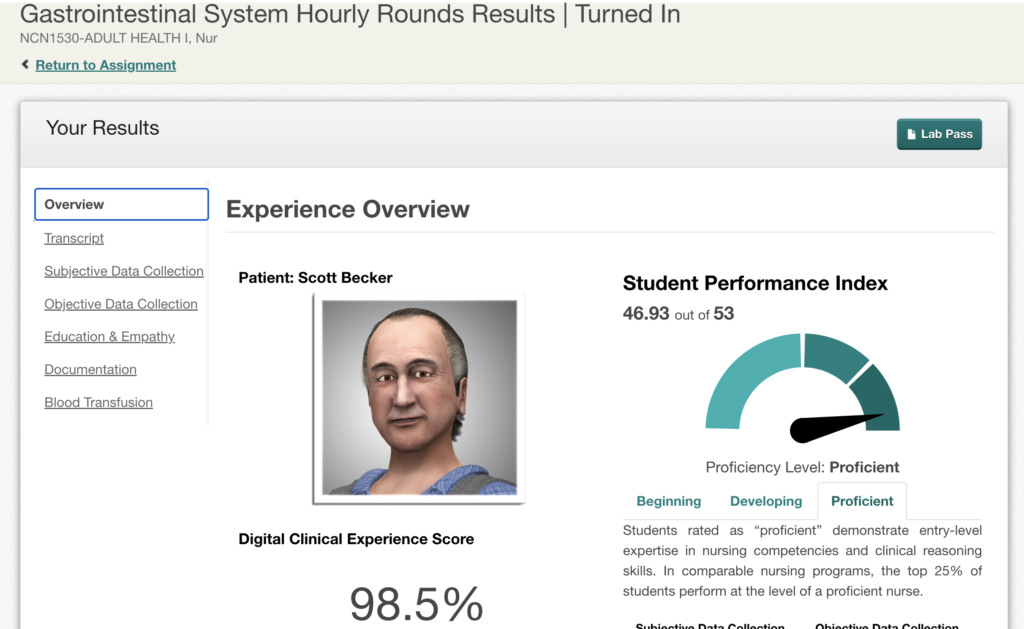
Shadow Health: Gastrointestinal System Hourly Rounds Scott Becker
Assignment Description: This assignment provides the opportunity to conduct a gastrointestinal-related visit with a patient in a medical surgical setting. You will interview and examine the patient, document your findings, and complete nursing care activities.
-
Estimated Time to Complete: 60 minutes
-
Solution: Shadow Health: Gastrointestinal System Hourly Rounds Scott Becker
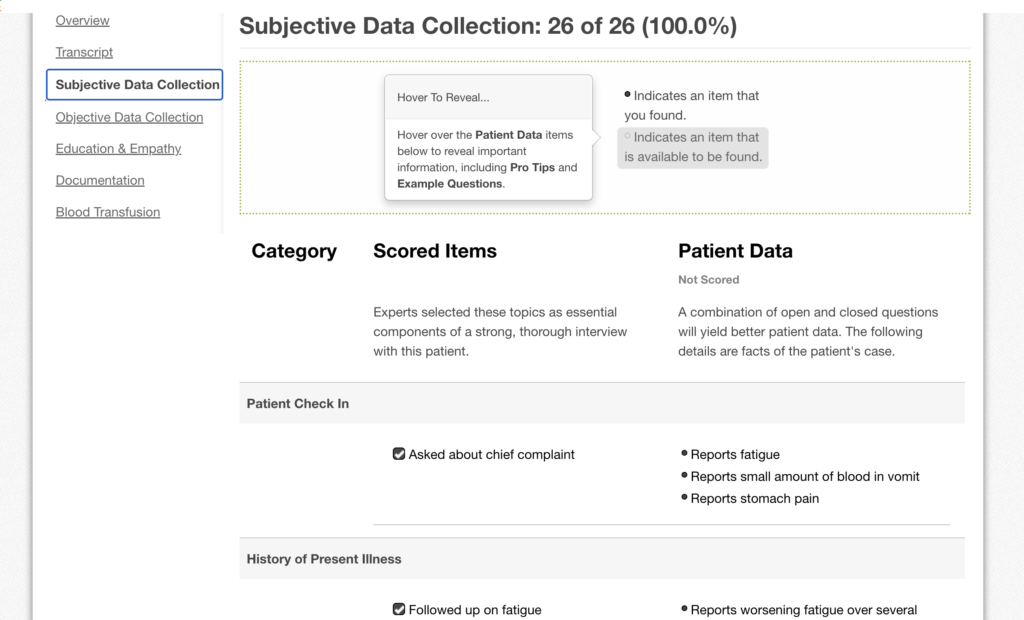
Category
Scored Items
Experts selected these topics as essential components of a strong, thorough interview with this patient.
Patient Data
Not Scored
A combination of open and closed questions will yield better patient data. The following details are facts of the patient’s case.
Patient Check In
Finding:
Asked about chief complaint
Finding:
Reports fatigue
(Found)
Pro Tip: By asking a patient an open question about their reason for coming into the hospital, you can establish their current medical and comfort needs and assist in coordinating their care.Example Question:
What brings you to the hospital?
Finding:
Reports small amount of blood in vomit
(Found)
Pro Tip: By asking a patient an open question about their reason for coming into the hospital, you can establish their current medical and comfort needs and assist in coordinating their care.Example Question:
What brings you to the hospital?
Finding:
Reports stomach pain
(Found)
Pro Tip: By asking a patient an open question about their reason for coming into the hospital, you can establish their current medical and comfort needs and assist in coordinating their care.Example Question:
What brings you to the hospital?
History of Present Illness
Finding:
Followed up on fatigue
Finding:
Reports worsening fatigue over several weeks
(Found)
Pro Tip: Details of a patient’s current complaint will help you follow up on any present conditions or symptoms, such as the location of their pain or the amount of pain they may be experiencing.Example Question:
How long have you felt fatigued?
Finding:
Followed up on vomit
Finding:
Reports vomiting only once
(Available)
Pro Tip: Details of a patient’s current complaint will help you follow up on any present conditions or symptoms, such as the location of their pain or the amount of pain they may be experiencing.Example Question:
How often have you been vomiting?
Finding:
Reports vomiting this morning
(Available)
Pro Tip: Details of a patient’s current complaint will help you follow up on any present conditions or symptoms, such as the location of their pain or the amount of pain they may be experiencing.Example Question:
When did you vomit?
Finding:
Reports noticing dark flecks in vomit
(Found)
Pro Tip: Details of a patient’s current complaint will help you follow up on any present conditions or symptoms, such as the location of their pain or the amount of pain they may be experiencing.Example Question:
What was your vomit like?
Finding:
Followed up on stomach pain
Finding:
Reports pain in upper-left abdomen
(Available)
Pro Tip: Details of a patient’s current complaint will help you follow up on any present conditions or symptoms, such as the location of their pain or the amount of pain they may be experiencing.Example Question:
Where is your stomach pain?
Finding:
Reports stomach pain is gnawing or burning
(Found)
Pro Tip: Details of a patient’s current complaint will help you follow up on any present conditions or symptoms, such as the location of their pain or the amount of pain they may be experiencing.Example Question:
How would you describe the stomach pain?
Finding:
Reports experiencing stomach pain for past 3 to 4 months
(Available)
Pro Tip: Details of a patient’s current complaint will help you follow up on any present conditions or symptoms, such as the location of their pain or the amount of pain they may be experiencing.Example Question:
How long have you had stomach pain?
Finding:
Reports stomach pain worsens after eating
(Available)
Pro Tip: Details of a patient’s current complaint will help you follow up on any present conditions or symptoms, such as the location of their pain or the amount of pain they may be experiencing.Example Question:
Does the pain get better or worse after eating?
Finding:
Reports stomach pain increasing over the past week
(Available)
Pro Tip: Details of a patient’s current complaint will help you follow up on any present conditions or symptoms, such as the location of their pain or the amount of pain they may be experiencing.Example Question:
Has your stomach pain gotten worse over time?
Finding:
Reports taking antacids daily
(Available)
Pro Tip: Details of a patient’s current complaint will help you follow up on any present conditions or symptoms, such as the location of their pain or the amount of pain they may be experiencing.Example Question:
Do you take anything for your stomach pain?
Finding:
Reports antacids are moderately effective
(Available)
Pro Tip: Details of a patient’s current complaint will help you follow up on any present conditions or symptoms, such as the location of their pain or the amount of pain they may be experiencing.Example Question:
Does anything relieve your stomach pain?
Past Medical History
Finding:
Asked about allergies
Finding:
Denies food allergies
(Available)
Pro Tip: A patient’s past medical history includes their health conditions, what preventive and maintenance treatments they have received, and any previous medical interventions they have received. Asking about a patient’s medical history helps you contextualize their current health for proper assessment.Example Question:
Do you have any food allergies?
Finding:
Denies environmental allergies
(Available)
Pro Tip: A patient’s past medical history includes their health conditions, what preventive and maintenance treatments they have received, and any previous medical interventions they have received. Asking about a patient’s medical history helps you contextualize their current health for proper assessment.Example Question:
Do you have any environmental allergies?
Finding:
Denies latex allergy
(Available)
Pro Tip: A patient’s past medical history includes their health conditions, what preventive and maintenance treatments they have received, and any previous medical interventions they have received. Asking about a patient’s medical history helps you contextualize their current health for proper assessment.Example Question:
Are you allergic to latex?
Finding:
Denies medication allergies
(Available)
Pro Tip: A patient’s past medical history includes their health conditions, what preventive and maintenance treatments they have received, and any previous medical interventions they have received. Asking about a patient’s medical history helps you contextualize their current health for proper assessment.Example Question:
Do you have any medication allergies?
Finding:
Asked about existing health conditions
Finding:
Reports hypertension
(Found)
Pro Tip: A patient’s past medical history includes their health conditions, what preventive and maintenance treatments they have received, and any previous medical interventions they have received. Asking about a patient’s medical history helps you contextualize their current health for proper assessment.Example Question:
Do you have any existing health conditions?
Finding:
Reports high cholesterol
(Found)
Pro Tip: A patient’s past medical history includes their health conditions, what preventive and maintenance treatments they have received, and any previous medical interventions they have received. Asking about a patient’s medical history helps you contextualize their current health for proper assessment.Example Question:
Do you have any existing health conditions?
Finding:
Reports coronary artery disease
(Found)
Pro Tip: A patient’s past medical history includes their health conditions, what preventive and maintenance treatments they have received, and any previous medical interventions they have received. Asking about a patient’s medical history helps you contextualize their current health for proper assessment.Example Question:
Do you have any existing health conditions?
Finding:
Reports osteoarthritis
(Found)
Pro Tip: A patient’s past medical history includes their health conditions, what preventive and maintenance treatments they have received, and any previous medical interventions they have received. Asking about a patient’s medical history helps you contextualize their current health for proper assessment.Example Question:
Do you have any existing health conditions?
Social History
Finding:
Asked about living situation
Finding:
Reports living with family
(Found)
Pro Tip: A patient’s social history encompasses a patient’s social, cultural, economic, and lifestyle factors that together influence the patient’s health. Asking a patient about subjects such as common lifestyle activities and substance use can help you gain understanding about a patient’s social history.Example Question:
What is your living situation?
Finding:
Asked about tobacco use
Finding:
Denies tobacco use
(Found)
Pro Tip: A patient’s social history encompasses a patient’s social, cultural, economic, and lifestyle factors that together influence the patient’s health. Asking a patient about subjects such as common lifestyle activities and substance use can help you gain understanding about a patient’s social history.Example Question:
Do you use any tobacco products?
Finding:
Asked about caffeine use
Finding:
Reports drinking coffee
(Found)
Pro Tip: A patient’s social history encompasses a patient’s social, cultural, economic, and lifestyle factors that together influence the patient’s health. Asking a patient about subjects such as common lifestyle activities and substance use can help you gain understanding about a patient’s social history.Example Question:
Do you consume caffeine?
Finding:
Reports drinking coffee every morning
(Found)
Pro Tip: A patient’s social history encompasses a patient’s social, cultural, economic, and lifestyle factors that together influence the patient’s health. Asking a patient about subjects such as common lifestyle activities and substance use can help you gain understanding about a patient’s social history.Example Question:
How often do you drink coffee?
Finding:
Reports drinking 2 to 3 cups
(Available)
Pro Tip: A patient’s social history encompasses a patient’s social, cultural, economic, and lifestyle factors that together influence the patient’s health. Asking a patient about subjects such as common lifestyle activities and substance use can help you gain understanding about a patient’s social history.Example Question:
How many cups of coffee do you have in a day?
Finding:
Asked about alcohol use
Finding:
Reports alcohol use
(Found)
Pro Tip: A patient’s social history encompasses a patient’s social, cultural, economic, and lifestyle factors that together influence the patient’s health. Asking a patient about subjects such as common lifestyle activities and substance use can help you gain understanding about a patient’s social history.Example Question:
Do you drink alcohol?
Finding:
Reports drinking 1 to 2 nights a week
(Found)
Pro Tip: A patient’s social history encompasses a patient’s social, cultural, economic, and lifestyle factors that together influence the patient’s health. Asking a patient about subjects such as common lifestyle activities and substance use can help you gain understanding about a patient’s social history.Example Question:
How often do you drink alcohol?
Finding:
Reports having 1 to 2 glasses per sitting
(Found)
Pro Tip: A patient’s social history encompasses a patient’s social, cultural, economic, and lifestyle factors that together influence the patient’s health. Asking a patient about subjects such as common lifestyle activities and substance use can help you gain understanding about a patient’s social history.Example Question:
How much alcohol do you drink at a time?
Finding:
Asked about substance use
Finding:
Denies substance use
(Found)
Pro Tip: A patient’s social history encompasses a patient’s social, cultural, economic, and lifestyle factors that together influence the patient’s health. Asking a patient about subjects such as common lifestyle activities and substance use can help you gain understanding about a patient’s social history.Example Question:
Do you use any substances?
Finding:
Asked about cultural or spiritual needs
Finding:
Denies current cultural or spiritual needs
(Found)
Pro Tip: Asking a patient an open question about any cultural or spiritual considerations helps you make decisions based on clinical judgement while being respectful of the patient’s culture, religion, and lifestyle.Example Question:
Do you have any cultural or spiritual needs I can assist with?
Finding:
Asked about diet
Finding:
Reports DASH diet
(Found)
Pro Tip: A patient’s social history encompasses a patient’s social, cultural, economic, and lifestyle factors that together influence the patient’s health. Asking a patient about subjects such as common lifestyle activities and substance use can help you gain understanding about a patient’s social history.Example Question:
What is your typical diet like?
Finding:
Reports frequently skipping breakfast
(Found)
Pro Tip: A patient’s social history encompasses a patient’s social, cultural, economic, and lifestyle factors that together influence the patient’s health. Asking a patient about subjects such as common lifestyle activities and substance use can help you gain understanding about a patient’s social history.Example Question:
What do you typically eat for breakfast?
Finding:
Reports recently avoiding foods that increase stomach pain
(Found)
Pro Tip: A patient’s social history encompasses a patient’s social, cultural, economic, and lifestyle factors that together influence the patient’s health. Asking a patient about subjects such as common lifestyle activities and substance use can help you gain understanding about a patient’s social history.Example Question:
Do any foods make your stomach pain worse?
Finding:
Reports acidic foods cause stomach pain
(Found)
Pro Tip: A patient’s social history encompasses a patient’s social, cultural, economic, and lifestyle factors that together influence the patient’s health. Asking a patient about subjects such as common lifestyle activities and substance use can help you gain understanding about a patient’s social history.Example Question:
Do any foods make your stomach pain worse?
Finding:
Asked about activity level
Finding:
Reports stopping typical activities 3 weeks ago due to fatigue
(Found)
Pro Tip: A patient’s social history encompasses a patient’s social, cultural, economic, and lifestyle factors that together influence the patient’s health. Asking a patient about subjects such as common lifestyle activities and substance use can help you gain understanding about a patient’s social history.Example Question:
What is your activity level?
Finding:
Asked about occupation
Finding:
Reports being project manager at tech firm
(Found)
Pro Tip: A patient’s social history encompasses a patient’s social, cultural, economic, and lifestyle factors that together influence the patient’s health. Asking a patient about subjects such as common lifestyle activities and substance use can help you gain understanding about a patient’s social history.Example Question:
What do you do for work?
Finding:
Reports job is very stressful
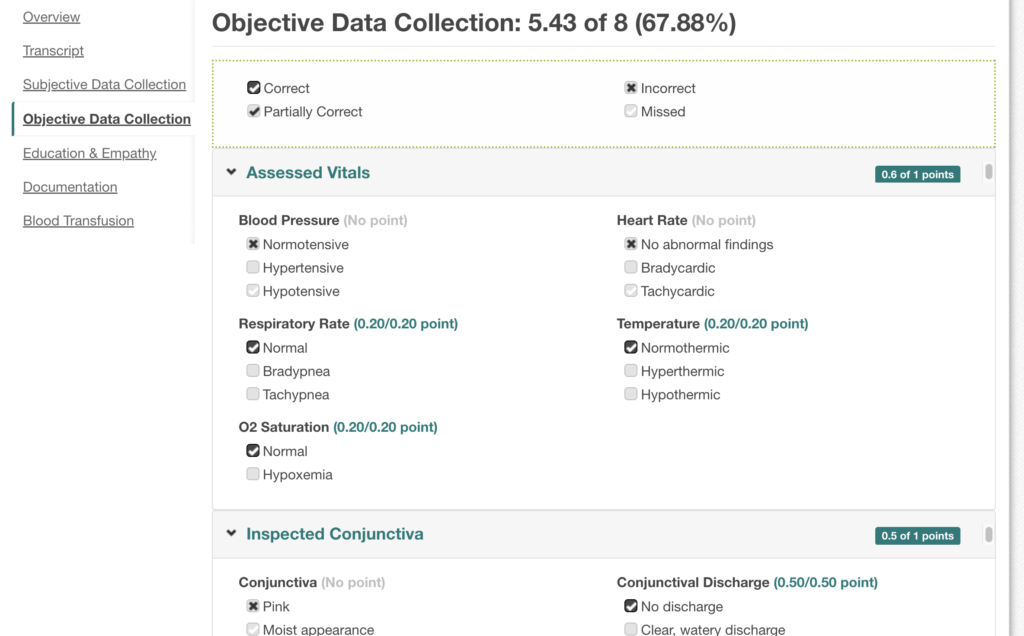
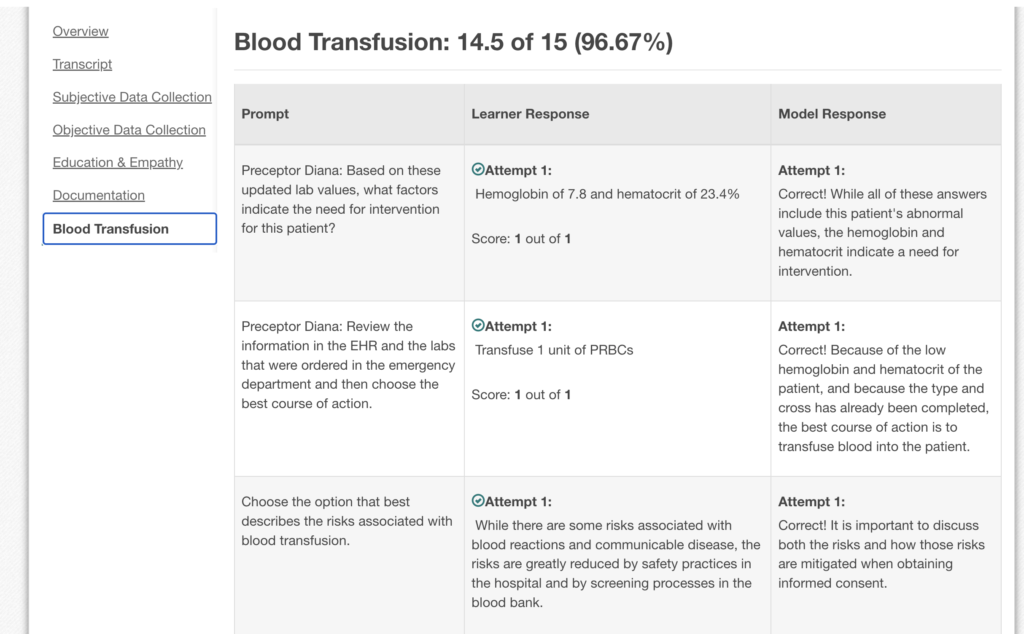
Add to cart to get subjective data, objective data, and blood transfusion
Related:(Completed) Shadow Health: Renal System Hourly Rounds Arturo Perez

Reviews
There are no reviews yet.